@irnanews_en
Rising Tensions: Gulf States Fear Consequences of US-Iran Conflict
Recent assessments have highlighted the growing apprehension among Arab nations regarding a potential conflict between the United States and Iran. As American forces amass in the region under the pretext of preparing for an assault on Iran, Washington's allies in the Gulf, those harboring US military bases, are increasingly anxious about the possible repercussions of Iranian retaliation. They are actively consulting with Washington to mitigate escalating tensions.
Among regional observers, a palpable sense of concern and skepticism is emerging. Given the scale of the troop buildup, it appears that President Donald Trump may find himself without a dignified exit strategy to avert military action and extricate himself from a situation of his own making. Since January, nations such as Saudi Arabia, Qatar, Oman, Turkey, and Egypt have engaged in intense diplomatic efforts to steer both Washington and Tehran away from the brink of war. This diplomacy is not rooted in sympathy for Tehran but rather in the understanding that they would bear the brunt of any Iranian retaliation and face the fallout from a potential collapse of the Iranian regime.
Badr Al-Saif, an assistant professor of history at Kuwait University, argues that bombing Iran does not align with the interests of Gulf Arab states. Such an event could lead to unprecedented Israeli hegemony, which would not benefit the Gulf countries. The threat to these nations is multi-faceted. Firstly, there is a direct physical threat, as Iran has repeatedly declared that US bases in the region are legitimate targets. The June 2025 attack on the Al-Udeid Air Base in Qatar, which followed US strikes during a 12-day conflict, remains a vivid and terrifying memory for Gulf leaders, despite resulting in no casualties.
Any new and sustained military action could see military installations in Qatar, the United Arab Emirates, Saudi Arabia, and Bahrain facing a barrage of missile or drone strikes from Iran. Statements from Iranian officials, including Ali Shamkhani, the representative of the Supreme Leader in the Supreme National Defense Council, indicate that this time the response could be significantly more severe than the symbolic attack on Al-Udeid in June.
The threat is not hypothetical; in 2019, Saudi oil facilities were crippled in an attack attributed to Iran, sending a clear message about Iran's capability to target the infrastructure of Gulf nations. In a scenario perceived as existential by the Iranian government, the motivation to strike countries hosting US bases will only intensify.
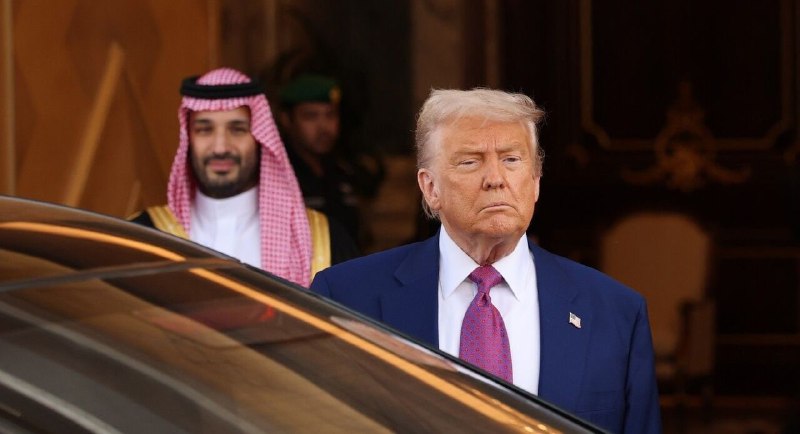
Even if Gulf nations manage to avoid direct attacks, there will be devastating secondary consequences. These countries are striving to diversify their economies and attract foreign investment and skilled labor; the threat of regional warfare will drive away both capital and talent. This widespread concern over instability has prompted Saudi Crown Prince Mohammed bin Salman to publicly reject the use of Saudi airspace for attacks on Iran, with the UAE in a similar position.
Rather than preparing for war, US allies in the Gulf are focused on preventing it.
February 22, 2026
Show detail