
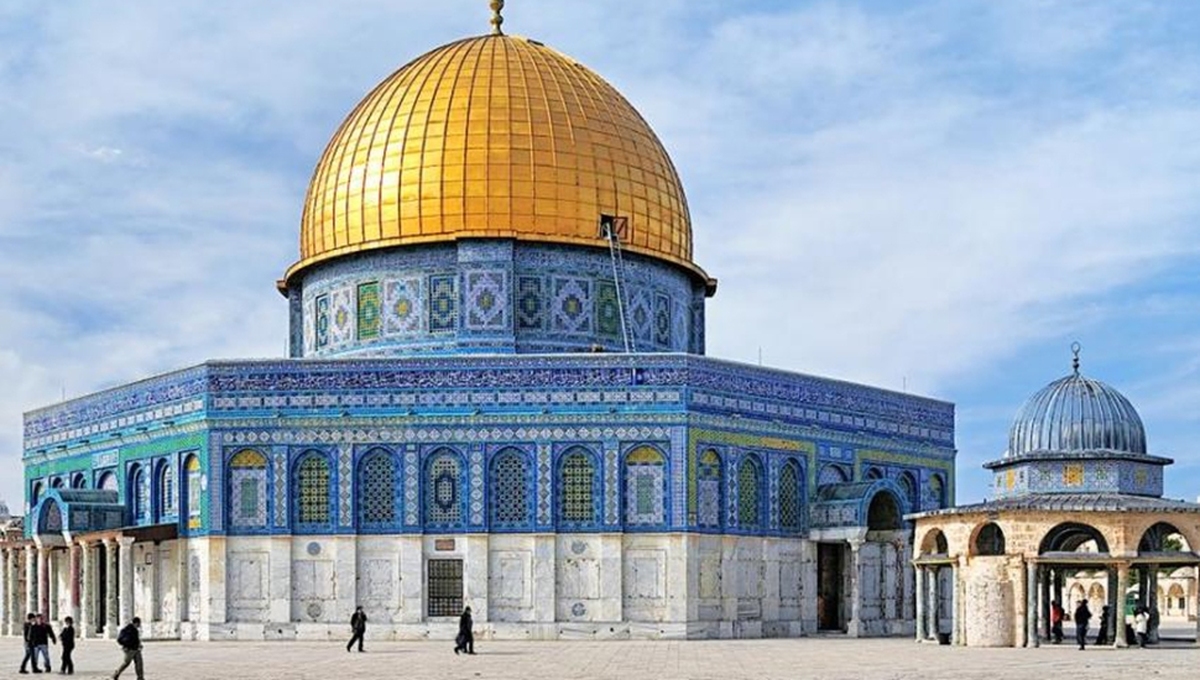
According to reports from international news sources, Abdullah Ma’ruf, a Palestinian expert, has stated that Israeli occupying authorities have recently enacted extraordinary restrictions limiting Muslim access to the Al-Aqsa Mosque.
He explained that this move aims to minimize the number of worshippers, facilitating a plan to alter the current status of the mosque while simultaneously reducing anticipated reactions.Ma’ruf elaborated that Israel’s actions regarding worshipper restrictions involve expanding prohibitions and decreasing the number of individuals permitted to enter, all of which align with a broader agenda to reshape administrative control within the Al-Aqsa Mosque.
He emphasized that the primary objective is to solidify the Israeli government’s position as the dominant authority managing mosque affairs, establishing occupying officials as the sole administrative reference within this sacred site.He added that current events echo the efforts made by occupying authorities after 1967 when they sought to place the Al-Aqsa Mosque under the supervision of the Israeli Ministry of Religious Affairs. However, that plan failed due to a strong backlash from Jerusalem’s residents, particularly religious scholars who refused to pray under occupying management and took the initiative to establish the Supreme Islamic Council as a permanent Islamic authority for Muslims in Jerusalem.Ma’ruf stressed that the continuation of current restrictions without effective action could pave the way for fundamental administrative changes impacting the identity and management of the mosque.
He warned that silence or merely issuing condemnatory statements could grant occupying forces more leeway to impose new realities on the ground.This Jerusalem affairs expert called for intensified official and grassroots actions to counter Israeli measures at the Al-Aqsa Mosque asserting that occupiers are not swayed by verbal reactions that lack concrete on-ground actions or genuine political and legal pressure.
Ma’ruf concluded that maintaining the status quo at the Al-Aqsa Mosque requires a united stance and cohesive roles among religious authorities political leaders and the Jerusalem community cautioning that any administrative change could directly affect the management of one of Islam’s holiest sites.