
24 February 2026 09:31
Report link
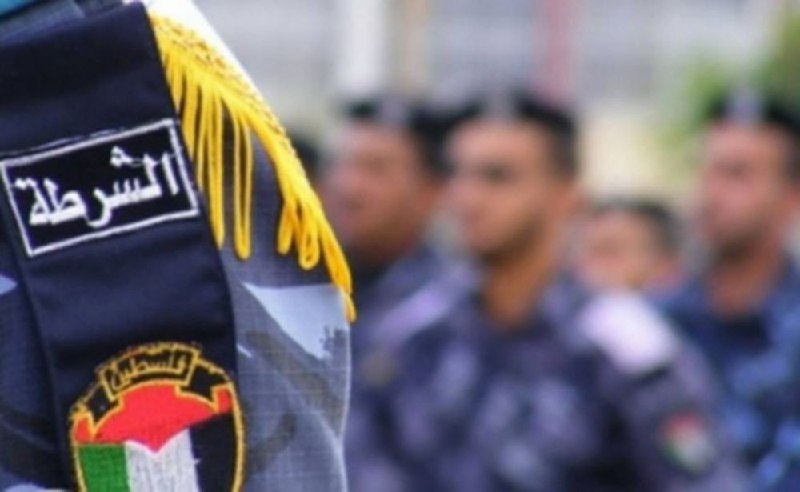
Sami Khalaf, a leader of the Fatah movement, has stated that in the years leading up to the recent conflict in the Gaza Strip, he felt a sense of security and freedom of expression as a resident of the region. He actively participated in national meetings and emphasized the rapid and decisive actions of Gaza’s internal security forces in addressing violations, which have contributed to societal cohesion and strengthened the internal front against threats from the Israeli regime.
Khalaf pointed out that over the past years, Gaza has faced efforts aimed at undermining its social fabric and resistance through media warfare and targeted actions. However, security institutions have successfully managed to contain these movements. He also referenced regional and international developments, noting that resistance forces agreed to the Trump plan under internal pressures to prevent further instability.Regarding the establishment of a new administrative committee to manage Gaza’s affairs this initiative according to Khalaf is more a response to on-the-ground necessities than a fully national choice. He warned that any security project not based on a national and resistant approach could stray from its primary mission.
Khalaf stressed that sidelining current security forces or altering the existing structure could weaken the fundamental concept of the threat posed by the Israeli occupation and disrupt national priorities. Highlighting the presence of approximately 40000 administrative and security personnel in Gaza he identified their removal as a potential catalyst for instability and called for enhanced national awareness and solidarity during these critical times.

You need to log in to perform this action.