
27 February 2026 10:56
Report link
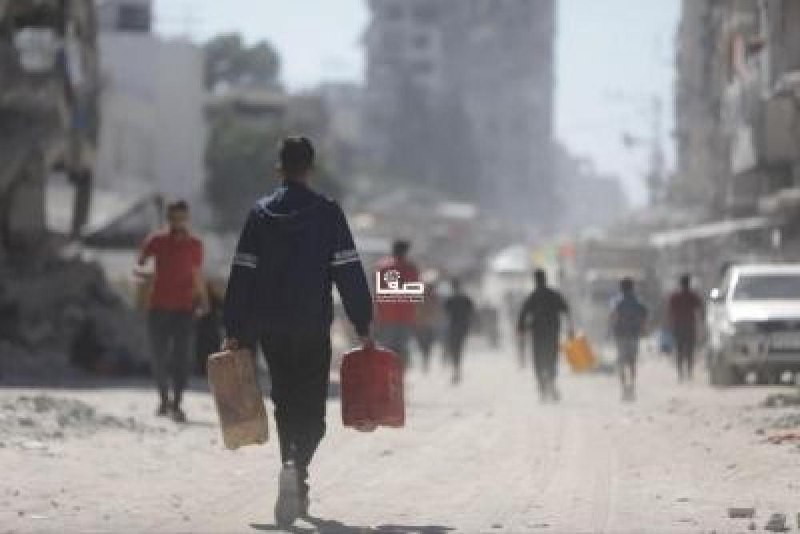
The United Nations Special Rapporteur on the right to access clean drinking water has reported that the Gaza Strip is facing an unprecedented humanitarian crisis concerning water resources, with a significant portion of its water infrastructure destroyed during the conflict.
Pedro Araujo Agudo, the UN Special Rapporteur, accused the Israeli military of utilizing water as a weapon of war, deeming this action a clear violation of international humanitarian law. He indicated that approximately 90% of the desalination and water treatment facilities in Gaza have either been completely destroyed or directly targeted in attacks.
Despite four months having passed since the declaration of a ceasefire, the process of restoring water supply for the residents of this region remains inadequate, and the severe shortage of potable water persists. The UN official noted that international organizations and NGOs face serious restrictions, rendering them incapable of meeting even the minimal water and food needs of the population. According to him, damaged wells and water reservoirs mean that the remaining resources can only serve a few thousand individuals.Agudo pointed out that the per capita access to clean drinking water has plummeted to about 10% of pre-war levels. He also warned that the malfunction of treatment facilities has led to the spread of contaminated water posing dangerous consequences especially for children and the elderly.
He emphasized that the current crisis is not merely a lack of water but rather the absence of safe drinking water raising alarms about the potential outbreak of diseases. The Special Rapporteur characterized the existing situation as a systematic use of water as a tool of warfare against civilians.
Referring to reports from human rights organizations such as Human Rights Watch and Oxfam he stated that these entities have also concluded that Israel is using water as a weapon of war in Gaza an action prohibited by international humanitarian law.
Agudo also announced his involvement alongside the Special Rapporteur on the situation in preparing a report on the reconstruction of Gaza. According to the findings of this report 92% of the infrastructure and facilities in the Gaza Strip require complete reconstruction a figure that surpasses the damages from many other conflicts.
He reminded that a ruling issued by the International Court of Justice in July 2024 emphasized the necessity of ending the Israeli occupation a point that was also reaffirmed during the General Assembly meeting in September of that year.
In conclusion the UN official called for the immediate implementation of humanitarian agreements signed in Sharm El-Sheikh including the entry of humanitarian aid through all crossings particularly the Rafah crossing and the full restoration of desalination and treatment facilities ensuring they are not targeted again. He stated that restoring the right to access safe drinking water is the first and most fundamental step towards reviving the lives and dignity of the residents of the Gaza Strip after months of suffering and crisis.

You need to log in to perform this action.