
According to reports from the Mehr News Agency, citing the pan-Arab newspaper Al-Quds Al-Arabi, the Israeli comedian asserts that while ‘occupation’ was once the primary concern, ‘genocide’ has now emerged as the central issue. This phrase encapsulates the deep discomfort felt by many Israelis following the prolonged and devastating war in Gaza.
The report highlights that the term ‘genocide’ requires legal substantiation, yet some view it as a symbolic label for Israel’s war crimes in Gaza, including the massacre of civilians, widespread destruction of infrastructure, hunger, and water shortages.Statistics indicate that approximately 78% of Gaza’s buildings and infrastructure have been destroyed, with water storage capacity plummeting by 84%.
Additionally, a significant portion of the agricultural land in the region has been devastated. Nair Hasson, in an article listing the names of the war’s victims published in Haaretz, argues that the value gap within Israeli Jewish society—once characterized by supporters of continued occupation and advocates for peaceful solutions—has now deepened into a more profound divide. One side finds military actions, including killings and blockades, acceptable, while the other deems them intolerable.According to the author, this clash of perspectives has even impacted daily social interactions, making discussions about the war increasingly challenging, especially given the sensitivity surrounding the use of the term ‘genocide’ in public discourse within Israel.
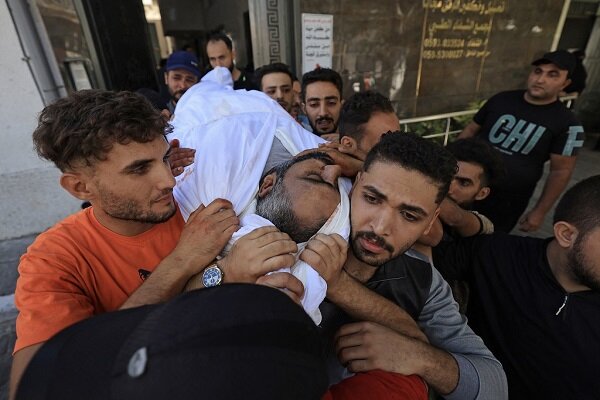
An analysis published in the Hebrew-language newspaper Haaretz reveals that among the over 72,000 registered fatalities in Gaza, approximately 17,594 were children under the age of 16, including 3,150 infants or children under three years old. Furthermore, at least 47% of the victims were women, children, and the elderly, who were not involved in the conflicts.The author notes that these statistics have ignited a broad debate regarding the nature of the Gaza war and the responsibilities concerning civilian casualties. It is anticipated that the issue of occupying Palestinian territories will once again take center stage in these discussions.