
24 February 2026 19:14
Report link
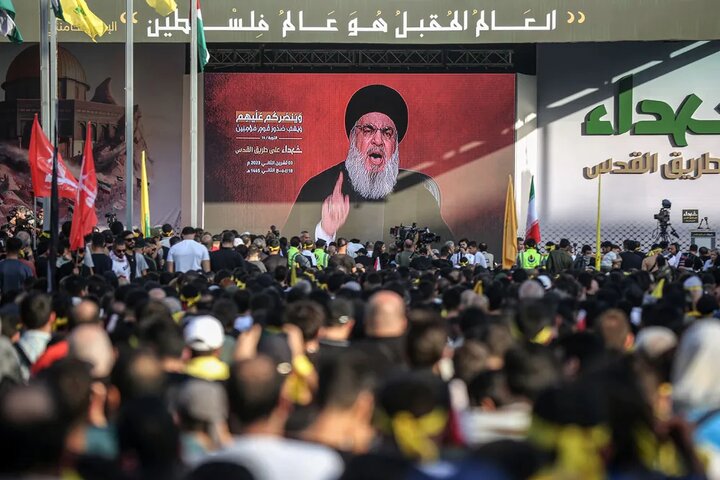
The martyrdom of Sayyed Hassan Nasrallah serves as a poignant reminder of the numerous sacrifices made by resistance leaders throughout decades of struggle against the Israeli regime. These leaders have laid down their lives for the noble ideals of Islamic and national integrity.
The first phase of this resistance commenced in 1982, marked by the complete absence of government authority and the occupation of Lebanon’s capital by enemy forces. The Lebanese resistance maintained its momentum, achieving successive victories that compelled the adversary to gradually withdraw from Beirut, Mount Lebanon, Sidon, Tyre, and the Western Bekaa Valley.
In the wake of the events of 2024, the resistance shifted its focus towards strengthening national participation and considering the diverse opinions of the Lebanese populace. Some factions expressed a preference for diplomatic solutions, leading to the decision to entrust the government with the responsibilities of safeguarding the nation, reclaiming territory, and achieving sovereignty.However in this second phase following the delegation of authority to the government there has been an unprecedented regression in the achievements gained. The Israeli adversary has resorted to drone warfare targeting Lebanese citizens across various regions. This campaign has indiscriminately affected the wounded children women journalists and clergy highlighting the urgent need for a reassessment of strategies in the face of ongoing threats.

You need to log in to perform this action.