
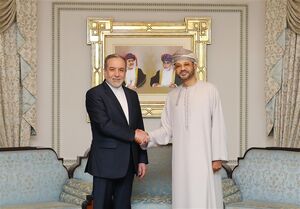
The return of Iran and the United States to the nuclear negotiation table in Muscat, Oman, marks a new chapter in the diplomatic confrontation between Tehran and Washington. This round of talks, mediated by Oman after a significant hiatus, not only attracted the attention of direct stakeholders but also ignited widespread reactions among regional and international observers.
Israeli media and analysts, aligned in their critical stance, reflected on this development with deep concerns about a potential shift in the regional balance of power and the strengthening of Iran’s position in the absence of military action and a possible agreement, albeit tenuous. Reports and analyses predominantly highlighted these worries.Prominent outlets such as Yedioth Ahronoth, Jerusalem Post, and networks like Kan and Channel 12 emphasized that, from Tel Aviv’s perspective, the revival of diplomacy between Washington and Tehran signifies a retreat for the U.S. and a strategic defeat for both the U.S. and Israel.
The roots of this concern and opposition can be analyzed through various layers. From the perspective of international relations theories, particularly offensive realism, Israel perceives any de-escalation in Iran’s relations with Western countries, especially the U.S., and the bolstering of Iran’s military deterrence as a direct threat to its unquestioned supremacy in the region. Successful negotiations could alleviate some of Iran’s economic burdens, thereby enhancing Tehran’s diplomatic, commercial, and even military capabilities to play a more effective role in regional dynamics. This scenario stands in stark contrast to Israel’s long-standing strategy of maintaining a tense relationship between Iran and the U.S.The Israeli media response extended beyond mere expressions of concern, accompanied by a series of promotional and analytical efforts aimed at influencing both domestic and international public opinion while exerting pressure on the negotiation process. One of the main focuses was the attempt to downplay the achievements of this round of talks. For instance, Kan claimed that the Muscat negotiations were conducted in a ‘cautious’ atmosphere with no ‘tangible progress’ made, merely serving as a tool for ‘crisis management’ to prevent escalating tensions. Furthermore, the network reported that at the end of the negotiations, Iran remained unwilling to concede any terms to halt its uranium enrichment.According to the Jerusalem Post, Israel emphasized to the U.S. representative that any acceptable agreement must extend beyond nuclear issues, including a complete halt to enrichment, the destruction of uranium stockpiles, the dismantling of ballistic missile programs, and ceasing support for Iran’s regional allies. These demands are deliberately set beyond Iran’s declared positions, as Iranian officials have repeatedly asserted that their missile program, which is defensive in nature, is ‘never negotiable’ and that discussions should be limited to the nuclear file.
The gap drawn in some Israeli reports between the objectives of the Trump administration and those of Benjamin Netanyahu, the regime’s Prime Minister, is also significant. Haaretz noted a clear contradiction in the goals of both parties: ‘While Trump seems eager for a new agreement, Netanyahu – at least publicly – seeks the overthrow of the Islamic Republic of Iran.’ This Israeli outlet warned that Tel Aviv is concerned Trump may lose his willingness to follow through on future commitments regarding military action against Iran or that lifting sanctions could ‘legitimize’ Iran further.Consequently, some American analysts opposed to military action against Iran have pointed out the risk that the Israeli regime might influence the U.S. President to sabotage the negotiation process. Israeli Channel 12 characterized the nuclear talks in Oman as the ‘last station before an explosion,’ suggesting that these negotiations represent the final diplomatic maneuver before both sides resort to military force against each other, with assessments indicating that Washington’s true goal is to gain legitimacy for a military operation against Iran. Trump will not allow Iran to stall him for long.The Israeli National Security Studies Institute commented on the nuclear negotiations between Iran and the U.S.: ‘The gaps between Tehran and Washington are deep, and without significant concessions from Iran, military options will regain priority.’ However, it appears that a short-term military action plan ensuring Trump’s demands regarding Iran has yet to be presented to him. A deal that addresses only the nuclear program and even allows for partial sanctions relief would provide the Tehran regime with ‘oxygen’ and severely disappoint Iran’s opposition. From Israel’s perspective, such an agreement would not resolve the challenges posed by Iran’s rapid missile production and its support for Hezbollah and militia groups in Iraq and Yemen.The Israeli media outlet Epoch reported on the nuclear negotiations stating: ‘Negotiations in Oman: An effort to prevent escalating tensions or Iran’s attempt to buy time?’ Senior Israeli security officials estimate that despite the challenges Iran remains steadfast in its hardline stance against making additional concessions while attempting to avoid crossing red lines to buy more time for itself.
Alongside these political analyses Israeli media and journalists have utilized soft warfare tools. The dissemination of false news such as the claim of the Muscat negotiations being canceled by Barak Ravid an Israeli journalist at Axios exemplifies these efforts to create psychological instability and test reactions. Additionally the repeated assertions about hidden nuclear facilities which Iran has dismissed as baseless or attempts to undermine the credibility of negotiators form part of a broader strategy to discredit the diplomatic process and foster an atmosphere of tension. These actions can be analyzed within the framework of ‘soft power theory’ and ‘coercive diplomacy’ with the ultimate goal of convincing global public opinion and U.S. officials of the futility or danger of negotiating with Iran.