
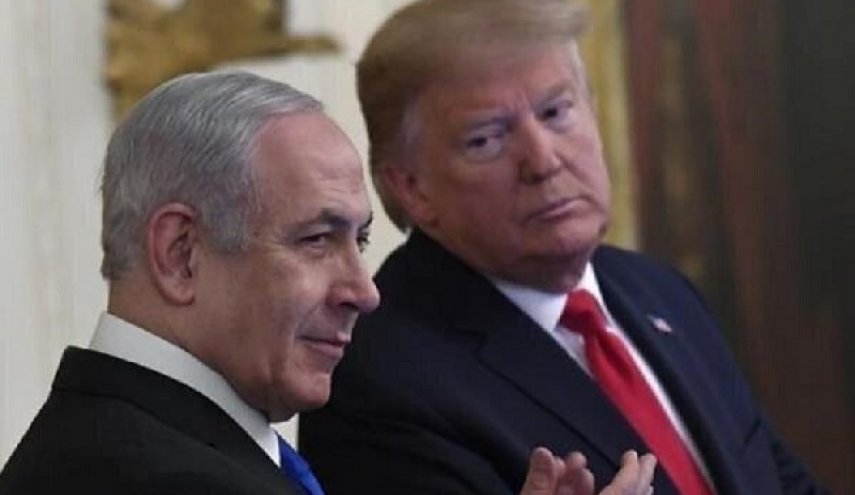
In a thought-provoking piece titled ‘Trump Keeps Bibi in the Cold (for Now)’, Chris Bambridge reflects on the recent encounter between Donald Trump and Benjamin Netanyahu. Unlike typical meetings between U.S. presidents and Israeli prime ministers, this one lacked media fanfare and even the customary press conference following the discussions.
Bambridge interprets this silence and subdued atmosphere as a departure from the usual ‘friendly displays’ that characterize such meetings. The only image released was a photo of the two leaders shaking hands, shared by the Israeli side.The meeting was initially scheduled to coincide with Netanyahu’s attendance at the annual AIPAC conference but was advanced at Netanyahu’s request. Bambridge attributes this move to Israel’s anxiety over ongoing U.S.-Iran discussions regarding Tehran’s nuclear program.
During this session, Netanyahu presented his maximalist demands: a complete halt to uranium enrichment, even for medical purposes, dismantling missile capabilities, and ceasing support for resistance groups. While Trump had previously echoed similar demands, he emphasized the importance of continuing dialogue in this recent meeting.Bambridge concludes that this indicates Tel Aviv has failed to impose its preferred stance on the White House. He notes that Trump continues to bolster U.S. military posture in the region, suggesting that the current situation reflects a divergence in approaches rather than a definitive move towards conflict.
Meanwhile, Carol Turner discusses the strategic rifts between the two parties, noting that while Tel Aviv insists on maximum pressure and extensive demands, the White House is exploring diplomatic avenues. She argues that demands to completely strip Iran of any nuclear program or defensive capabilities practically equate to the total capitulation of a sovereign state, making such outcomes seem unattainable.Turner also references the recent 12-day conflict, asserting that military engagement did not yield a conclusive victory for Tel Aviv. Instead, it highlighted vulnerabilities within Israel’s defense structure. She warns that continuing down this path could escalate the crisis into Lebanon, Iraq, and other regions, increasing fears among Middle Eastern nations about spillover tensions.
The writings emphasize that the ‘genocide in Gaza’ has severely tarnished Israel’s international reputation, not only among Global South nations but also in Europe and North America. Israel is increasingly perceived as a pariah state, with some countries recalling their ambassadors and severing ties. Faced with numerous legal challenges and cultural boycotts, public opinion has plummeted, particularly among younger generations in Israel.According to the author the repercussions of this blow to Israel’s global standing are profound and long-lasting. In the Arab world Israel is increasingly viewed as a greater security threat than Iran and the U.S. is seen as an unreliable ally.
Overall both pieces converge on a shared message: while Tel Aviv pushes for a confrontational scenario Washington is for political and security reasons currently focused on stabilizing a diplomatic path. Bambridge even notes that Netanyahu once told Trump that Israel is not prepared for a second war while Turner highlights that the experiences from the 12-day conflict have complicated calculations regarding the costs of confrontation.