
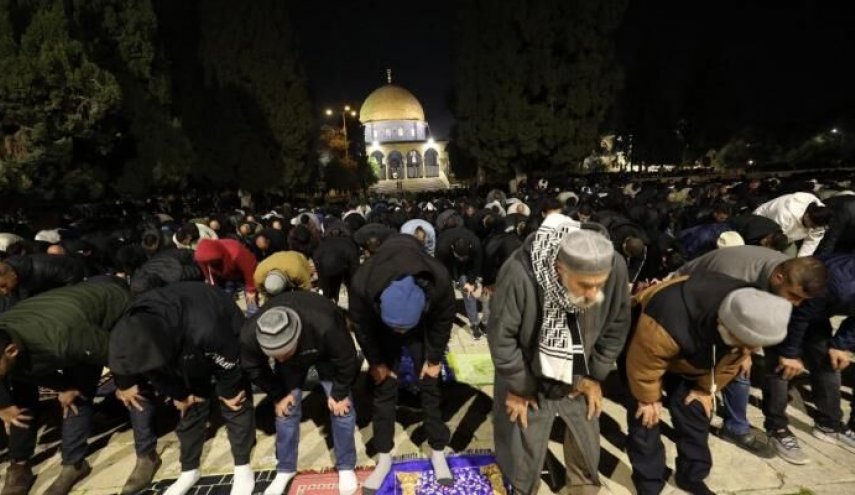
In a troubling development, Ma’ruf stated that these measures aim to minimize the number of worshippers, facilitating a plan to alter the status quo at the mosque while diminishing anticipated reactions.
He explained that Israel’s actions regarding worshipper restrictions are part of a broader strategy to expand prohibitions and reduce the number of individuals allowed entry, all within the framework of altering the administrative landscape within Al-Aqsa Mosque.Ma’ruf emphasized that the primary goal is to solidify Israel’s position as the governing authority and dominant force in managing mosque affairs, effectively establishing the occupying authorities as the sole administrative reference within the site.
He added that the current situation is reminiscent of attempts made by the occupying authorities post-1967, when they sought to place Al-Aqsa Mosque under the supervision of Israel’s Ministry of Religious Affairs. However, that plan failed due to strong backlash from Jerusalem’s residents, particularly religious scholars who refrained from praying under the occupiers’ management, taking the initiative to establish the Islamic Supreme Council as a permanent Islamic authority for Muslims in Jerusalem.Ma’ruf warned that the continuation of current restrictions without effective practical measures could pave the way for fundamental administrative changes that would impact the mosque’s identity and management.
He cautioned that silence or merely issuing condemnation statements could grant the occupiers more space to impose new realities on the ground.This Jerusalem affairs expert called for intensified official and grassroots actions to counter Israeli measures at Al-Aqsa Mosque stressing that occupiers are not influenced by verbal reactions unless accompanied by tangible field actions or real political and legal pressure.
Ma’ruf concluded that maintaining the status quo at Al-Aqsa Mosque requires a unified stance and integrated roles among religious authorities political leaders and the Jerusalem community warning that any administrative changes could directly affect the management of one of Islam’s most sacred sites.