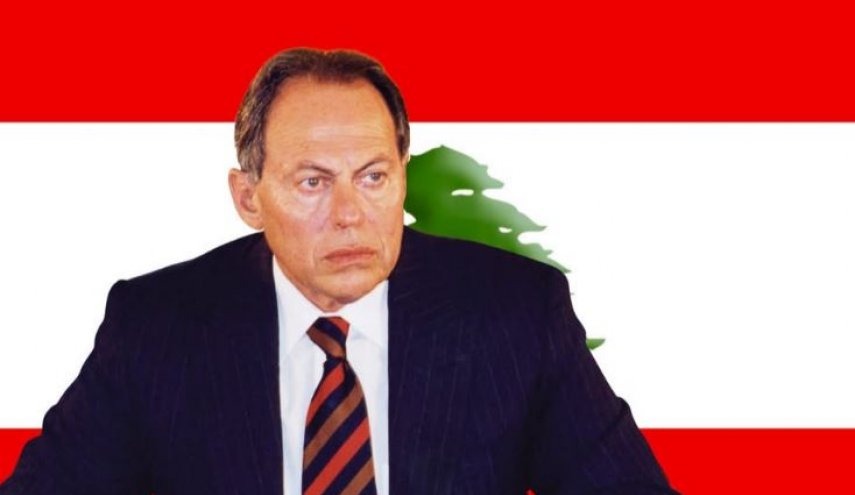
In a statement reported by the Al-Ahd news agency on Sunday, Emile Lahoud, the former President of Lebanon, expressed condolences to the families of the victims of the recent Israeli regime’s aggression in Beqaa. He stated, “We are shocked by certain domestic reactions that justify the aggressor and blame the victim.” Lahoud emphasized the tragic loss of several Lebanese citizens in Beqaa and wished for the swift recovery of the injured, particularly the children, whom he described as “the greatest victims of the Israeli killing machine that knows no mercy.”He further remarked that the actions of the Israeli regime have transcended ceasefire agreements and all humanitarian standards, carried out with unprecedented support from the United States and under international complicity. Lahoud noted, “As the silence of the international community has approached complicity, it is no surprise that the actions of the occupying regime also cease to astonish; however, it is lamentable that some domestic stances do not even suffice to condemn the killing of Lebanese citizens on Lebanese soil.”In conclusion, the former President asserted that the sense of victory by one domestic faction over another, reliant on foreign power, not only fails to aid in nation-building but exacerbates national disintegration, equating in damage to the actions of Israel.This statement follows Israeli airstrikes on Friday night targeting several areas in the Beqaa region of eastern Lebanon and the Ain al-Hilweh camp. The areas surrounding the town of Riyak, around the town of Qasr Naba, a building near the town of Tamnin, and the Shaara region in the Nabi Sheet heights witnessed the most intense Israeli attacks.The Emergency Operations Center of the Lebanese Ministry of Health announced in its latest statement “Israeli enemy attacks on several towns in the Beqaa region resulted in the martyrdom of 10 citizens and injuries to 24 others including three children.” In this context Hezbollah Lebanon issued separate statements confirming the martyrdom of eight of its commanders and forces following the Israeli assault in the Beqaa region.