27 February 2026 21:20
Report link
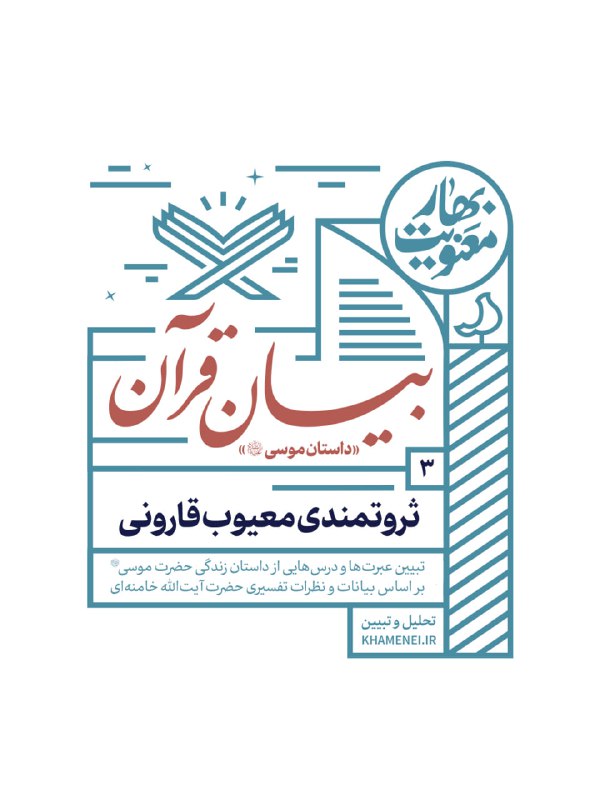
During the blessed month of Ramadan a series of reflections delve into the profound lessons derived from the life of Prophet Moses based on the interpretations of Ayatollah Khamenei. This third installment focuses on the divine tradition of testing through wealth illustrated by the story of Qarun.
Throughout history divine tests have manifested in various forms with wealth often serving as a pivotal point of examination. The proper recognition and utilization of wealth can foster community growth and stability; however mismanagement can lead to downfall. The narrative of Prophet Moses and the Children of Israel transcends mere confrontation with Pharaoh; it encapsulates Qarun’s story revealing a significant aspect of divine tradition: wealth as a test for humanity.
In a monotheistic worldview wealth is not an independent entity or a source of authenticity; rather it is a divine trust and gift. Its value is contingent upon our relationship with God and its application. When wealth is directed appropriately it becomes a means for growth service and prosperity. This perspective positions economic development and wealth creation as fundamental components of an Islamic system.
The account of Qarun exemplifies the emergence of divine traditions. Through Qarun’s story God illustrates how wealth can either propel progress or lead to ruin. The Quran does not merely critique Qarun as a wealthy individual; it condemns the flawed model of wealth he represents. Qarun embodies the quintessential example of an undesirable wealthy figure according to Islamic teachings and scripture.
Qarun’s primary flaw was not his possession of wealth but his perception of it as an intrinsic attribute severing his connection with God. The danger lies in the sense of self-sufficiency power and knowledge that wealth can breed. Such arrogance pride and reliance on one’s limited understanding can lead to significant calamities.
The appropriate approach to wealth involves recognizing it as a divine gift and utilizing it for the afterlife social justice and benevolence. The faithful community of the Children of Israel urged Qarun to embrace this wisdom. To avoid becoming a Qarun a faithful society must remain vigilant about its desires life goals earning methods and maintain a constant connection with God. The threat does not solely reside with the wealthy; it is the ‘Qarun-nurturing’ nature within individuals that poses a risk.
An ordinary person can harbor a Pharaoh within acting with the same arrogance and entitlement as historical tyrants. Thus if their resources increase they may mirror the oppressive behaviors of Qarun and Pharaoh.
Therefore a faithful community must first correctly define the role of wealth. The next step involves curbing greed as the transformation into a Qarun begins at this juncture. Additionally a healthy economy is essential. Alongside these external regulations an internal criterion must be established to prevent wealth from becoming a crutch for individuals.

You need to log in to perform this action.