
26 February 2026 22:45
Report link
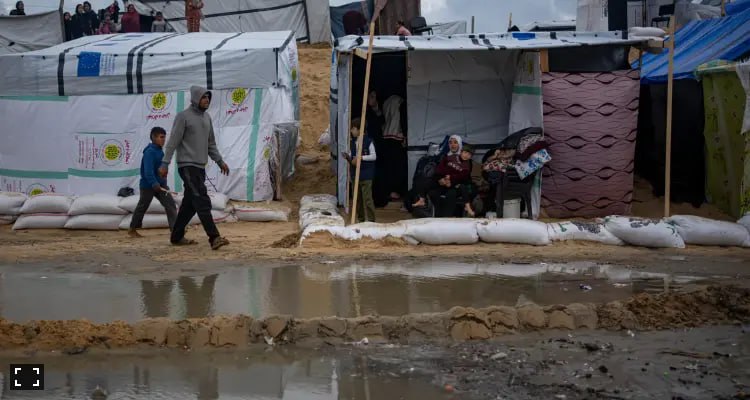
As the conflict in the Gaza Strip persists, the humanitarian and sanitary conditions in refugee camps and temporary shelters are deteriorating alarmingly. Hundreds of thousands are living in environments that lack even the most basic health and living standards. Overcrowding, inadequate access to clean water, waste accumulation, and the collapse of sewage systems have transformed these areas into hotbeds for the spread of diseases and potential epidemics.
With hospitals’ capabilities eroding and the healthcare system severely weakened, concerns are escalating regarding the outbreak of infectious diseases that could lead to widespread health crises, particularly among vulnerable populations such as children, the elderly, and those with chronic illnesses.
Health and environmental experts are warning that the continuation of this situation could result in an increase in waterborne and vector-borne diseases, as well as skin and respiratory ailments, posing additional risks to the displaced individuals who are already facing food shortages, inadequate shelter, and lack of medical services.Abdul Raouf Al-Manama a microbiology professor at the Islamic University of Gaza stated that the accumulation of sewage and solid waste among the tents of refugees presents a multifaceted threat to public health the environment and even social stability. He noted that in the context of widespread population displacement and weak infrastructure these camps become rapid transmission zones for infections.
He explained that contamination of water sources with sewage can lead to outbreaks of diseases such as acute diarrhea cholera dysentery and hepatitis A and E which spread through contaminated drinking water shared utensils and poor personal hygiene.
Al-Manama further indicated that stagnant water and piled-up waste create a favorable environment for the proliferation of mosquitoes flies and rodents. This situation heightens the risk of diseases like malaria and dengue fever transmitted by mosquitoes as well as the spread of bacterial infections by flies. Rodents can also carry diseases such as leptospirosis.
The constant humidity and lack of adequate sanitary facilities contribute to an increase in bacterial and fungal skin infections while gases released from decomposing waste such as methane and hydrogen sulfide can exacerbate asthma respiratory inflammation headaches and nausea.
The intrusion of sewage into soil may lead to soil and groundwater contamination and an increase in the microbial load in the environment. Additionally the release of pharmaceutical residues and resistant bacteria could intensify the risk of antibiotic resistance.
Al-Manama emphasized that the absence of sanitation services and lack of privacy not only pose physical threats but also have serious social and psychological repercussions enhancing feelings of lost human dignity among refugees. This situation places women and children at greater risk of harm.
He highlighted that children under five the elderly pregnant women individuals with chronic illnesses and those with weakened immune systems are the most vulnerable groups. In cases of severe diarrhea they face risks of dehydration and even death.
In the fragile healthcare system of Gaza any sudden increase in cases could place immense pressure on emergency services and quickly deplete medical supplies. Al-Manama stressed the importance of monitoring early warning indicators including rising cases of watery diarrhea unexplained fevers skin rashes an increase in rodent populations or changes in the color and odor of water.
He warned that if the current situation persists refugee camps may confront widespread health crises and dangerous epidemics which would be exceedingly difficult to control given the limited medical resources available.

You need to log in to perform this action.