
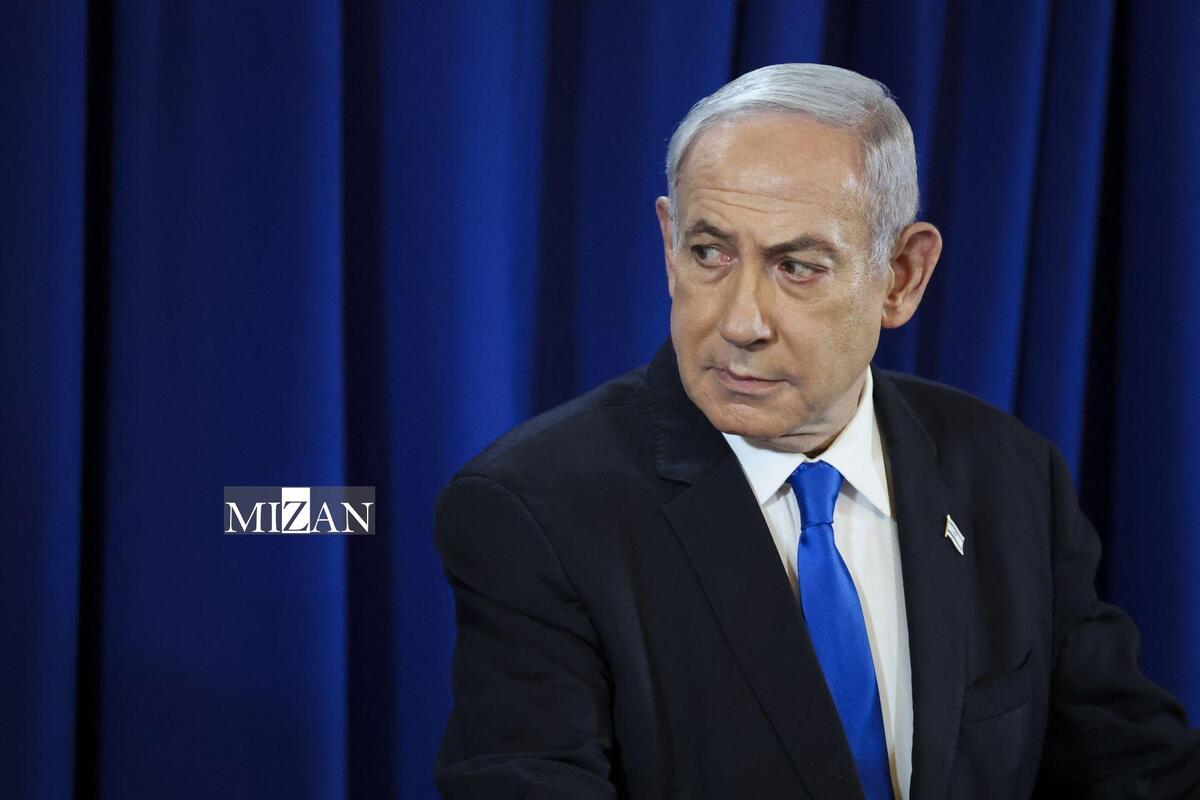
Benjamin Netanyahu, the Prime Minister of Israel, has announced the formation of a ‘Hexagonal Coalition’ that includes India, branding it as a core group of nations standing together against radical axes.
This claim from Netanyahu comes ahead of Indian Prime Minister Narendra Modi’s visit to the occupied territories this week, where he is expected to address the Knesset.
Netanyahu opened the cabinet meeting by discussing the historic journey set for Wednesday, emphasizing that his dear friend, Prime Minister Modi, will be arriving in Israel.He informed his cabinet that the Hexagonal Coalition would comprise Israel, India, Greece, and Cyprus, along with unnamed Arab, African, and Asian nations.
He asserted that the goal is to create a coalition of nations that share a common understanding of realities, challenges, and objectives in the face of radical forces.
As Modi embarks on his two-day visit on Wednesday, Netanyahu seeks to strengthen ties with countries he describes as ‘like-minded’.Netanyahu referred to India as part of the future ‘axis’ of like-minded nations, claiming that their collaboration could yield significant results and ensure their resilience and future.
According to a statement from Netanyahu released by the Israeli Ministry of Foreign Affairs on February 22, it has been suggested that Arab, African, and Asian countries would also be part of this framework.He envisioned creating a comprehensive system, essentially a ‘Hexagonal Coalition’ of alliances around or within the Middle East, including India, Arab nations, African countries, Mediterranean states (Greece and Cyprus), and other Asian nations, though he refrained from naming them at this time.However, no government has publicly endorsed this plan or its sectarian framework. Two of the three countries Netanyahu named—Greece and Cyprus—are members of the International Criminal Court (ICC), which has issued an arrest warrant for Netanyahu due to alleged war crimes in Gaza; they would be legally obligated to detain him if he entered.Andreas Krieg, a security studies lecturer at King’s College London, told Al Jazeera that the Israeli Prime Minister may be overstating his idea; the unnamed Arab/African/Asian component might exist as a form of temporary security coordination and transactional diplomacy but does not necessarily resemble a treaty or alliance akin to NATO. This is not a coalition.He added ‘I see the Hexagonal Coalition less as a viable alliance and more as a branding exercise for a set of existing relationships.’
Omer Ozkizilcik a non-resident researcher at the Atlantic Council noted that there is increasing evidence of joint efforts by regional countries against Israel including joint statements coordinated diplomatic initiatives military interactions and explorations of potential joint defense ventures.