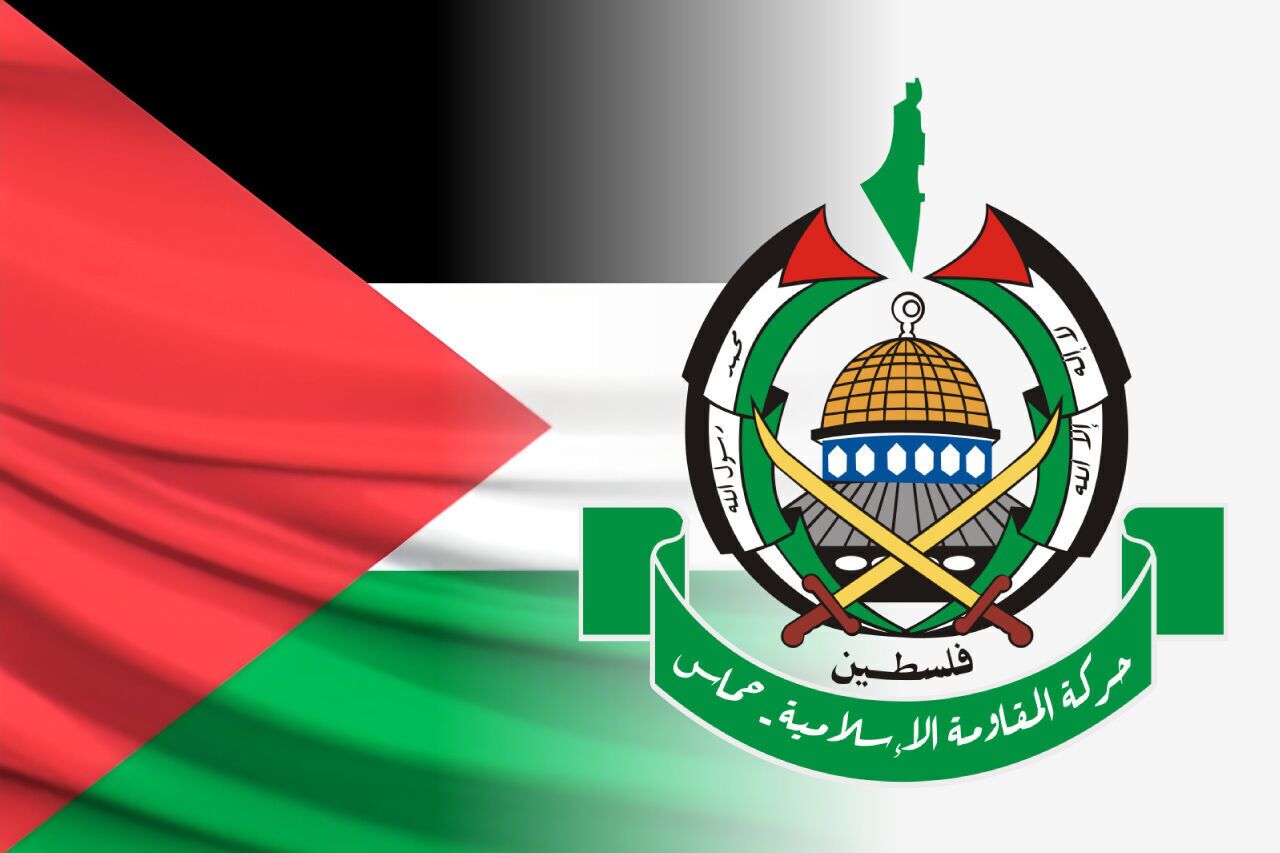
According to international news sources, Hamas is in a decisive stage for electing its political bureau chief following the formation of its Shura Council. The rivalry between Khaled Mashal and Khalil al-Hayya, two prominent leaders within the movement, has intensified significantly. The new leader will serve a one-year term, a period deemed exceptional following the assassinations of Ismail Haniyeh and Yahya Sinwar, leading to the establishment of a temporary Hamas command.
Informed sources within Hamas indicate that the movement has reached the final phase of its internal elections, narrowing the competition to Khalil al-Hayya and Khaled Mashal. Currently, a leadership council of five members is temporarily managing the movement in the absence of a political bureau chief.Hamas has effectively completed the election of a new Shura Council, which acts as an advisory body and a bridge between the political bureau and leadership frameworks. According to an insider, the internal regulations stipulate that a committee composed of over eighty members from the General Shura Council will elect the movement’s chief and political bureau members.
Members of the Shura Council are elected every four years from three primary regions: Gaza Strip, West Bank, and the diaspora. A Hamas official stated that the internal elections in these regions have concluded, and the movement has now entered the final stage of selecting its political bureau chief, with the competition exclusively between Khaled Mashal and Khalil al-Hayya.The official mentioned that Hamas will issue a statement as soon as the new leader is elected, likely during the month of Ramadan. Another source confirmed that Hamas is indeed in the final phase of selecting its political bureau chief.
Khaled Mashal, born in 1956 in the village of Silwad in the West Bank, previously served as the head of Hamas’s political bureau and is regarded by some Hamas officials as pragmatic and moderate. In contrast, Khalil al-Hayya, born on November 5, 1960, in Gaza, leads Hamas in the Gaza Strip and chairs the Hamas negotiating team, enjoying strong support from the military wing of the movement.According to two sources within Hamas the next leader will manage the political bureau for a one-year term which is designated as an exceptional electoral period after which another election will be held for a new four-year term. These sources did not specify the number of eligible voters within Hamas or the electoral mechanisms in light of the challenging security conditions the movement faced during the recent conflict.