22 February 2026 20:06
Report link
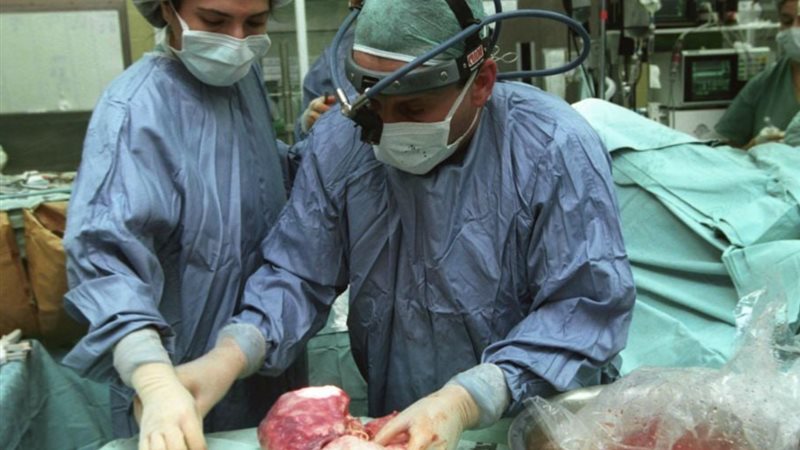
The Israel Skin Bank, established in the 1980s, has been at the center of numerous reports and testimonies regarding the management of the bodies of fallen soldiers. This organization claims to maintain one of the largest human skin reserves globally. This analysis draws on data from Israeli media and testimonies from medical professionals to explore the origins of this bank, statistics related to organ donation in Israel, and accounts concerning the extraction of organs from deceased individuals.
The concept of creating a skin bank emerged after the October War of 1973, when the urgent need for treating severe burns among military personnel was recognized. Despite initial opposition from certain Jewish religious authorities regarding the legitimacy of post-mortem organ retrieval, the initiative was ultimately implemented in 1985. The bank has operated for years in collaboration with medical and military institutions within Israel, backed by forensic medical organizations.
According to Melka Shaout, the former director of the Skin Bank, the human skin reserve in Israel has reached approximately 170 square meters. This figure raises questions in media and human rights circles, especially considering the country’s population and the low public willingness to donate organs.A 2007 report produced in collaboration with the European Union Organ Transplant Committee and the World Health Organization indicates that Israel holds a moderate position in organ transplantation relative to its population. However it also registers one of the highest rates of organ donation refusal. This contradiction is particularly evident in heart transplants which can only be sourced from deceased individuals.
This disparity between low organ donation rates and the substantial reserves of the Skin Bank has prompted inquiries regarding the origins of these tissues a subject that has also been addressed by some Israeli doctors and researchers.
Testimonies from former directors and staff of the Abu Kabir Forensic Institute in Tel Aviv suggest that organs were extracted from the bodies of civilians including fallen soldiers. Notable figures like Yehuda Hess the former head of this institute have admitted in interviews that tissues and organs were removed from bodies undergoing autopsy.
Researchers such as Meira Weiss have reported that during their tenure at this facility organs were transferred to various banks including the Skin Bank. They claim that at certain times organs were taken from the bodies of fallen soldiers and later from immigrants or foreign workers a practice that was not officially communicated.
A significant point of criticism is the long-term storage policy for some fallen soldiers’ bodies in cemeteries known as ‘cemeteries of numbers’ where corpses are buried without names only identification numbers. Reports indicate that hundreds of bodies from past conflicts have been interred in such locations. Critics argue that this policy aside from its humanitarian and legal implications increases the likelihood of families accessing the bodies without oversight.
In 2014 a television report on Channel Ten in Israel once again highlighted the extensive reserves of human skin. Following this during the Gaza War in 2023 testimonies from families of some victims surfaced concerning the return of incomplete bodies or those showing signs of organ extraction.
Israeli officials assert that any organ extraction must comply with medical and legal standards; however Jewish and international human rights organizations have called for transparency independent oversight and the immediate return of bodies to families. From the perspective of international humanitarian law respecting the remains of the deceased and informing families are fundamental principles. Should any organ extraction without consent or legal authorization be proven such actions could be deemed serious violations of international law.
The Skin Bank originally established to treat burns is now at the heart of one of the most controversial ethical and human rights issues. Official statistics on organ donation alongside testimonies from medical professionals and media reports raise serious questions about the sources of human tissues.

You need to log in to perform this action.