
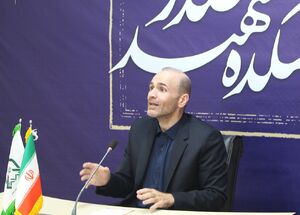
According to reports, Hussein Ajarlou, in a recent interview regarding the current developments in the country, highlighted the crucial need for unity to counter internal threats. He noted that some factors leading to protests are rooted in foreign policy issues. Specifically, he pointed out that countries and regimes in conflict with Iran, such as the United States and Israel, are actively seeking to increase insecurity and instability within the nation through maximum pressure tactics.
“The second issue contributing to dissatisfaction, stemming from external matters, is the sanctions,” he explained. “Sanctions have created financial constraints in the country, thereby intensifying pressure on the populace.”One of the fundamental principles in international relations is the non-interference in the internal affairs of sovereign states. Ajarlou stated that following certain events in Iran, some governments have intervened under the pretext of human rights advocacy. A notable example is the statements made by the U.S. President, which have exacerbated the conditions for violence and chaos during protests.
He emphasized that, in terms of internal cohesion within international relations, two key aspects must be considered. A unified voice should emanate from within the country, creating a cohesive discourse among government sectors. Fortunately, this has been evident as all parties condemned any form of foreign interference.Ajarlou further remarked that foreign actors have attempted to undermine internal cohesion. Their media narrative suggests a lack of unity in defending sovereignty within Iran, creating doubts among Iran’s international allies about continuing collaboration, as they may perceive potential changes ahead.
He stressed the importance of maintaining internal unity in international stances, ensuring a singular voice representing the country. Any foreign intervention must be condemned, and it is essential to clarify in the media that while political differences exist, they can be resolved through legal means, and external actors should not escalate these protests into violence.He referenced the significant public turnout during the rally on January 12 stating “This rally conveyed the message that there is unity in Iran against any foreign interference.” He urged for a reinforcement of this media narrative asserting that the Iranian people are capable of resolving their internal issues without allowing foreign meddling.
Ajarlou concluded by noting that some nations have interfered in Iran’s internal affairs under the guise of human rights a violation of the principle of non-intervention that has led to human rights abuses within Iran. Consequently he stressed the imperative for Iran to gather evidence of foreign interference and present it to international courts seeking accountability for those who violate the principle of non-interference and infringe upon human rights.