
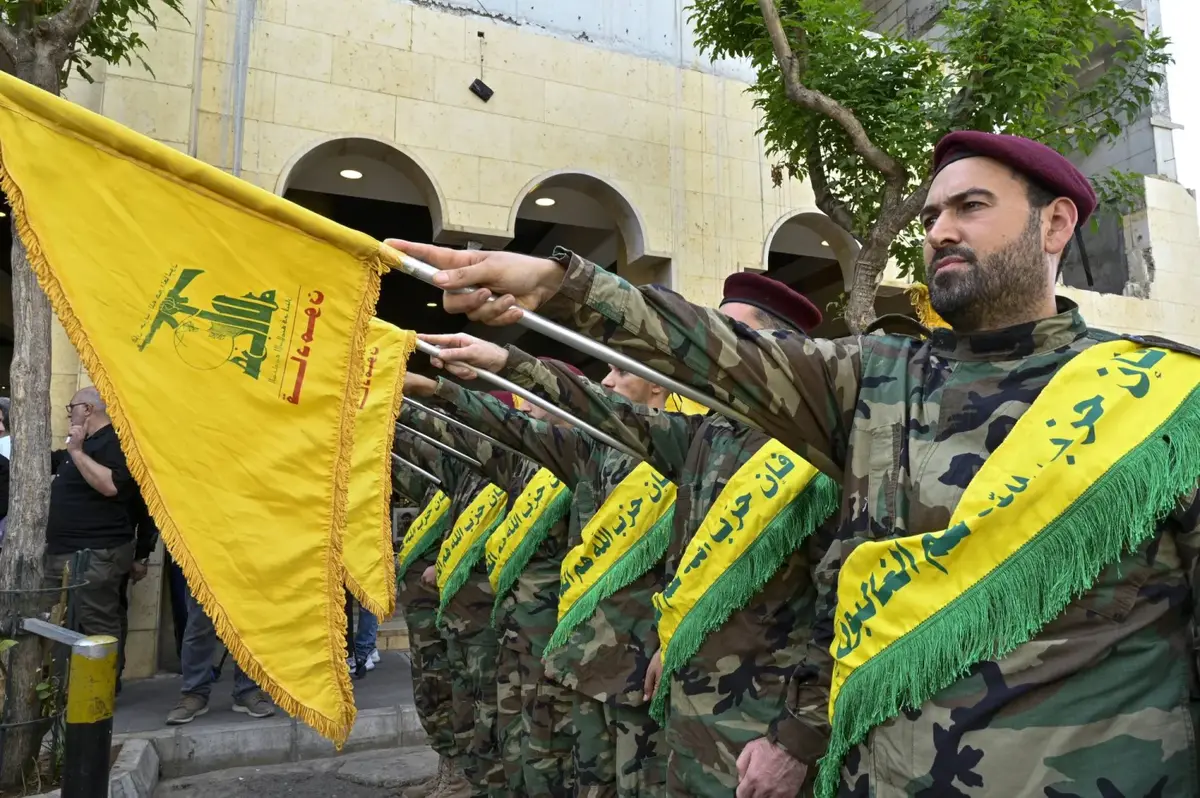
According to a recent analysis by prominent Arab analyst Abdel Bari Atwan, the airstrikes conducted by the Israeli regime on Friday targeted the Palestinian camp of Ain al-Hilweh in Sidon and the Beqaa Valley in eastern Lebanon, resulting in the deaths of two individuals in the camp and ten fatalities along with 20 injuries in the Beqaa Valley. These events suggest three main possibilities:
First, a third Gulf War in the Middle East is imminent, with Israeli and American attacks on Iran and resistance groups potentially starting at any moment.
Second, Hezbollah has regained its missile capabilities and will engage in this conflict with hundreds, if not thousands, of precision missiles aimed at Israel, developed since the last Israeli aggression and ceasefire agreement over a year ago.
Third, there is significant fear and concern among Israeli political and military leaders regarding the Lebanese front and its proximity to the heart of occupied territories, especially cities like Haifa, Acre, Tel Aviv, and Safed.The bombing of a sports ground in Ain al-Hilweh under the pretext of being a Hamas military training center indicates that Hamas, which is besieged in Gaza and the West Bank, is prepared to transfer its operations and battles to southern Lebanon if a large-scale war begins, alongside Lebanese resistance and possibly Syrian forces.
The escalation of military operations by the Israeli regime in eastern and southern Lebanon, along with the rising number of casualties, suggests that this sudden intensification is not accidental. Its aim is to provoke Hezbollah into an immediate response, allowing Israel the opportunity to launch a concentrated and extensive attack against Hezbollah to dismantle its military capabilities before the onset of a major conflict.
Hezbollah will not fall into this Israeli trap and will wait to participate in the upcoming large war, which will undoubtedly align with Iran and other resistance groups in Yemen, Iraq, and Palestine.The Israeli regime’s attack on Lebanon, targeting both Hezbollah and Hamas, represents a severe blow to the Lebanese government, which, under pressure from Israel and the U.S., has decided to limit the power of resistance. However, Hezbollah’s resistance has not succumbed to these pressures, which is both wise and justified.
The Lebanese front, led by Hezbollah, poses the most dangerous threat to Israel, not only due to its proximity to northern Israel and missile capabilities but also the potential operations of special forces ‘Redwan’ in northern occupied Palestine and coordination with Hamas and Islamic Jihad.
In last June’s war, Iran deployed only 500 missiles, and Israeli air defense systems failed to intercept most of them. Hezbollah now possesses over 7,600 precision missiles, some equipped with modern Iranian, Chinese, and Russian technologies. These missiles can be launched simultaneously or in phases against Tel Aviv, Haifa, and Acre, targeting military bases and even Unit 8200 of Israel, similar to what occurred during ‘Great Sunday.’Forecasts for the impending major conflict include three critical points:
1. Iranian missiles and resistance groups in Lebanon and Yemen will not distinguish between civilian and military targets making all infrastructure cities and facilities of the Israeli regime including water and electricity legitimate targets in retaliation for recent Israeli attacks that have killed hundreds of civilians.
2. Iran and the resistance will achieve the goals of the war before accepting any ceasefire including the realization of Palestinian rights and the cessation of Israeli aggressions.
3. Previous Israeli wars primarily did not include ground invasions; however the upcoming major conflict may be an exception with resistance forces penetrating northern Palestine eastward and possibly through Jordanian borders by Iraqi and Lebanese resistance groups.
If this war begins it will be ‘quasi-Karbala’ and could signal the end of the era of aircraft carriers and perhaps the last war in the Middle East akin to what transpired in Europe during World War II.